Articles
 sleep
sleepWhat your Epworth Sleepiness Scale score actually means
The Epworth scale does not ask how tired you feel. It asks how likely you are to fall asleep — and those are different things, which is why people who feel exhausted often score low. Here is how to read the number you got.
9/29/2026 · 8 min
 mental health
How to score the UCLA 3-item loneliness scale
The UCLA loneliness scale comes in two versions under one name: 20 items scored to 80, or 3 items scored to 9. Mix them up and your number is meaningless. Here is the short form, scored correctly, plus the caveat few mention: there is no official clinical cutoff.
6/23/2026 · 7 min
 nutrition
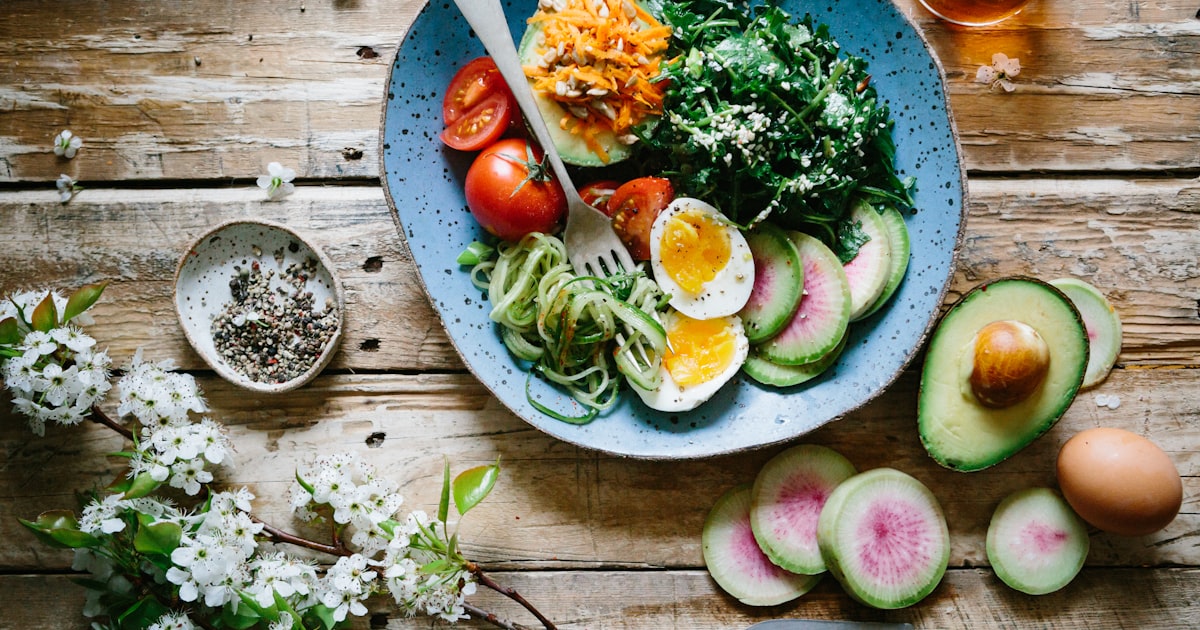
How much protein you actually need to build muscle
Drink it within 30 minutes or you wasted the session. Hit 2 grams per kilo or you will not grow. Both lines sell powder, and neither survives the research. The real numbers are smaller, calmer, and the same whether you are 25 or 65.
6/17/2026 · 7 min
 mental health
An Eating Disorder Is Not a Weight — 1 in 7 Are Men (Free EAT-26 Test)
The deadliest myth about eating disorders is that they look like a thin teenage girl. Most people with one are not underweight, roughly 1 in 7 are men, and binge-eating disorder is more common than anorexia and bulimia combined. BMI cannot see any of it.
6/15/2026 · 6 min
 sleep
sleepTeens Need 8-10 Hours but Get 6 — What 2 Hours Less Actually Does to Brain, Grades and Mood
The AAP and CDC both list 8-10 hours of sleep per night as essential for teens aged 13-18. Most American teens get 6 to 7. Those missing two hours produce a cognitive deficit roughly equal to a blood alcohol level of 0.05 —
6/5/2026 · 6 min
 nutrition
The EFSA 2.5L Rule: Why Most People Over-Drink Water (and the Real Number)
The 8-glasses-a-day advice is louder than the science. The European Food Safety Authority (EFSA) sets adequate intake at 2.5 L total water for men, 2.0 L for women — but that is total water, including 20-30% from food. From drinks alone you usually need 1.5 to 2.0 L.
6/4/2026 · 6 min
 mental health
Only 2% Score Above 130 — What Your IQ Actually Means (Free 10-Question Test)
If your IQ test result was 115, you scored higher than 84 out of 100 people. Above 130? Top 2%. But your number on any short test moves 5-15 points day to day, and that variation is the whole reason psychologists never trust one score.
5/31/2026 · 6 min
 pregnancy
Only 4% of Babies Are Born on Their Due Date — The 280-Day ACOG Math
Your due date is a 280-day calculation from a rule a German obstetrician wrote in 1838. Roughly 4 in 100 babies arrive on it; the rest spread across a 5-week window that is still considered normal. Here is the ACOG-cited math, why ultrasound dating wins after week 8, and a.
5/23/2026 · 7 min
 nutrition
Why a 1500-calorie diet is too low for most adults
The '1500 kcal diet' is everywhere on TikTok and Instagram, and for most adults it is below the energy their body burns at rest plus a normal day. This is what your real number looks like, and how the same person needs more at 16, less at 60, and why going under it backfires.
5/23/2026 · 7 min
 nutrition
BMR, TDEE and Calorie Deficit: The 3 Numbers That Decide Weight Loss
You cut to 1,200 calories and the scale stopped moving. The problem is almost never willpower — it is using the wrong number. BMR, TDEE and your deficit are three different figures, and most diets confuse them. Here is what each means, the formula science trusts, and the.
5/22/2026 · 7 min
 metabolic
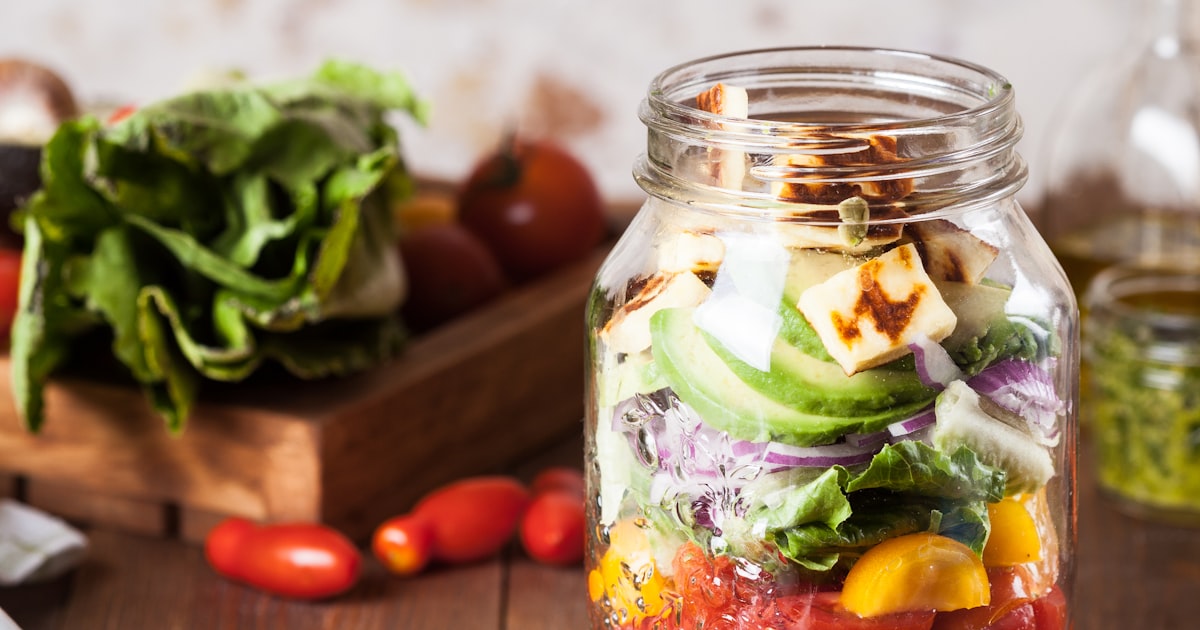
Always Thirsty and Tired? 4 Free Tests Catch Diabetes Risk Early
Type 2 diabetes builds silently over 5-10 years. By the time you feel thirsty, tired and notice belly weight, the process is well underway — but still reversible. Four free tests catch the risk early, when lifestyle can still turn it around. No signup, 6 minutes total.
5/21/2026 · 6 min
 sleep
sleepSleeping 8 Hours but Still Tired? 3 Free Tests That Find the Cause
Eight hours in bed. Alarm goes off. You feel like you never slept. Sleep quantity is not your problem — sleep quality is. Three validated tests find whether insomnia, sleep apnea or circadian misalignment is wrecking your nights. Free, no signup, 6 minutes total.
5/20/2026 · 6 min
 mental health
Burnout, Depression, Anxiety or Just Tired? 4 Free Tests in 8 Minutes
Coffee doesn't fix it. Sleep doesn't fix it. You ask yourself: is this burnout, depression, anxiety or just chronic fatigue? Four validated 2-minute tests draw the line between them — in 8 minutes total, free, no signup. Here is how to read each one.
5/19/2026 · 6 min
 mental health
PHQ-9 explained: when a bad stretch becomes clinical depression
A bad week is not depression. Two weeks of low mood, sleep changes, and lost interest might be. The PHQ-9 is the nine-question tool clinicians use to draw that line. Here is what your score means and when it matters.
5/13/2026 · 7 min
 sleep
sleepTeens need 8-10 hours of sleep — here's what 6 actually does
School starts at 7:30. Your brain's natural bedtime is closer to midnight. Even on a disciplined night you're getting six hours. The AAP says you need eight to ten. Here's what the gap actually does to your body and your grades, and why it isn't laziness.
5/11/2026 · 7 min
 mental health
Test stress vs an anxiety disorder
Your heart races, your hands sweat, your brain blanks. Ten minutes before the test. Everyone gets this. The question this article answers: when does it stop being normal stress and become something a doctor would call an anxiety disorder.
5/8/2026 · 6 min
 metabolic
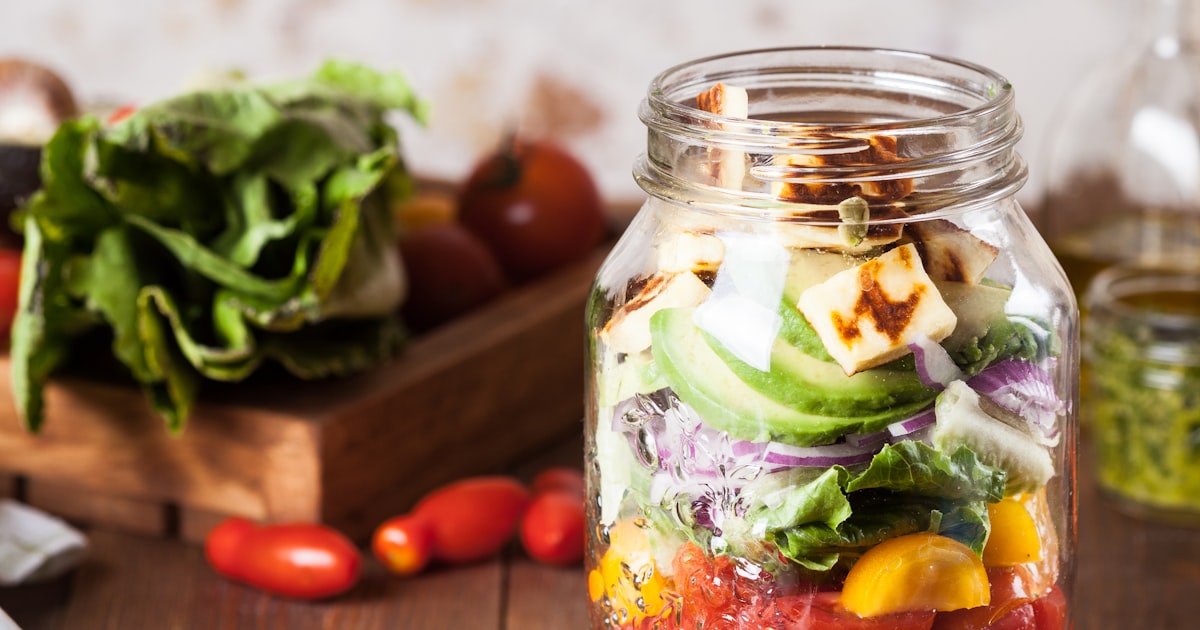
When BMI gets it wrong
BMI compresses your weight and height into a single number, then maps it onto cutoffs invented for population statistics. The cutoffs work fine for most people. They fail predictably in five situations. Here is when to stop trusting the number.
5/6/2026 · 7 min
 mental health
Why so many adults discover ADHD only in their thirties or forties
If you spent your thirties googling 'why can't I just sit down and do this', you're in good company. Adult ADHD diagnosis has quintupled in twenty years — most newly diagnosed are women in their thirties and forties who got through school by sheer compensation.
5/2/2026 · 7 min
 metabolic
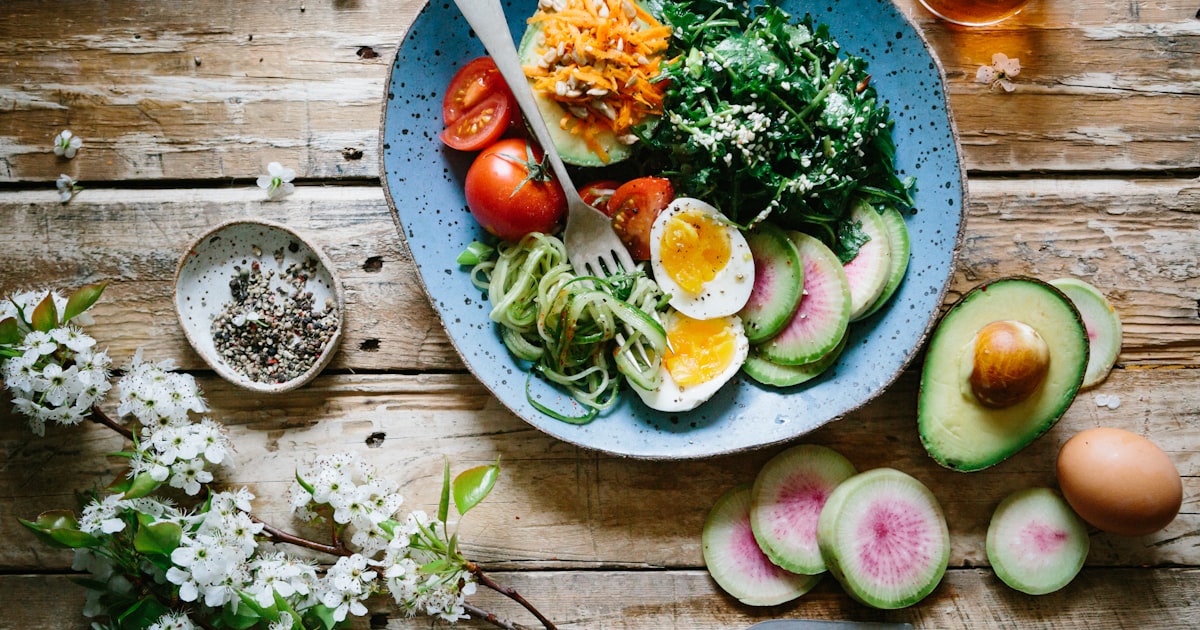
Why dietitians switched from Harris-Benedict to Mifflin-St Jeor
If you've used a calorie calculator in the last 20 years, your number almost certainly came from a 1990 equation called Mifflin-St Jeor — not the much older Harris-Benedict formula. Here's why clinicians made the switch, and how big the difference actually is.
4/28/2026 · 7 min